Moominmama Communes with the Ancients

Wherein Moominmama visits sites of the Ancient Puebloans and learns more about archeoastronomy and the Chaco Culture...

We are currently at the end of a Major Lunar Standstill, which lasts between two and three years, and the Griffith Observatory created this video in October of 2024 if you want to learn more. But here's a still from that video just to get a sense of what the moonrise looks like at this location.

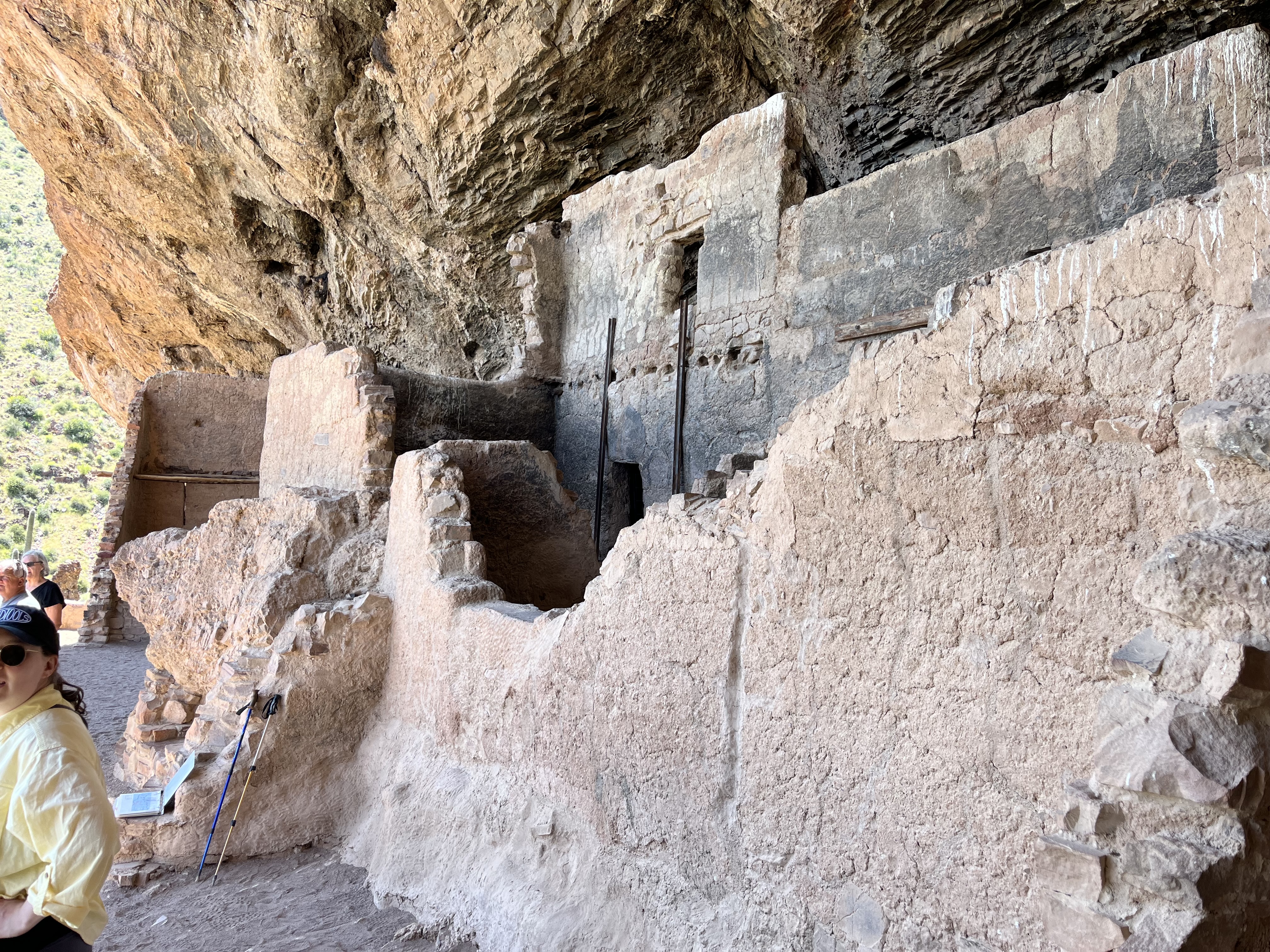
The moonrise appears to be the reason that the Chacoans chose this high ridge to build the meticulous structure of kiva and rooms you see remnants of in the photo at the top.
Most of the construction of the Chacoan Great House dates back to two periods of lunar standstill, but the whole area was home to many villages with archeological evidence of life dating back even earlier than the Chacoans.
The Chaco structures reflect a different building style, one where walls are aligned with the movements of the sun or moon. These are similar in some ways to the traditional pit houses of the Ancient Puebloans all over New Mexico and the Four Corners area, including Mesa Verde with its cliff dwellings. The circular kivas can be found in all of them along with rectangular rooms, often used to store food. But Chaco construction is different and very specific.


This is not the only evidence of Puebloan culture Moominmama got to view. A hike to Posi-ouinge, a 13th century former Tewa pueblo in New Mexico, did not include the carefully rebuilt foundations like at Chimney Rock, but the area was awash in ancient pottery.

I've never seen so many pottery shards outside of a museum, ever. In most other sites, early explorers made off with the biggest pieces, and tourists take what's left, one piece at a time, until there are none left. And as much as I condemn this, seeing these potsherds all over, I admit to feeling the temptation.
But all the broken pottery also leaves a person to wonder what happened here? Did the families that lived here have to rush away, were they attacked or did they choose to leave their possessions behind?
It's the unanswered questions that make these sites so fascinating. One can't help but speculate, to imagine how ancient humans saw the world. How did the Chacoans learn that the moon would rise every 18 and a half years between Chimney and Companion rocks 90 miles away? And why was that important to them?
Moominmama grew up in a time when "Indians" were a relic of history, something you saw in old westerns not in the community around you. Abandoned villages were spoken about as if inhabitants had been lifted out of them by UFOs.

Some of these structures date back to the year 1000, and they are maintained by the descendants of the originals builders to this day. This is just one section of the Pueblo, with Red Willow Creek running in front of it. The creek is still the pueblo's major water source, with clean drinking and irrigation water flowing from the mountains behind the pueblo. There are no animals running wild within the pueblo, and visitors are required to stay clear of the creek to maintain its purity.

Most Tiwa now live in the town of Taos in homes with regular amenities. But they return here for festivals, and they open the pueblo for tours when there's not a conflict with tribal events.
Moominmama's tour guide was a 17-year-old Tiwa who had a compelling case for tips because he was saving money for college!
Other Tiwa run little shops within the pueblo, selling jewelry or other handmade items. Moominmama bought a tasty fry bread sprinkled with cinnamon sugar from one shop to restore herself after her tour. These last few weeks of travel have been rich in history, and serve to remind me that human beings are ingenious and creative creatures even without modern technology.


I hope our own UNcommon era will not be erased. Let's hope our descendants won't have to repeat our errors.
ReplyDelete